Buildings represent massive investments in energy, materials, and finances, yet many are needlessly demolished every year, contributing to climate change. They contribute to global warming through both operational emissions (from heating, cooling, lighting, etc.) and embodied emissions (from construction materials). Retrofitting existing buildings can match the energy efficiency of new constructions and reduce operational emissions while avoiding the high embodied emissions of new construction. This approach is essential to achieving the emissions reduction targets of the Paris Agreement.
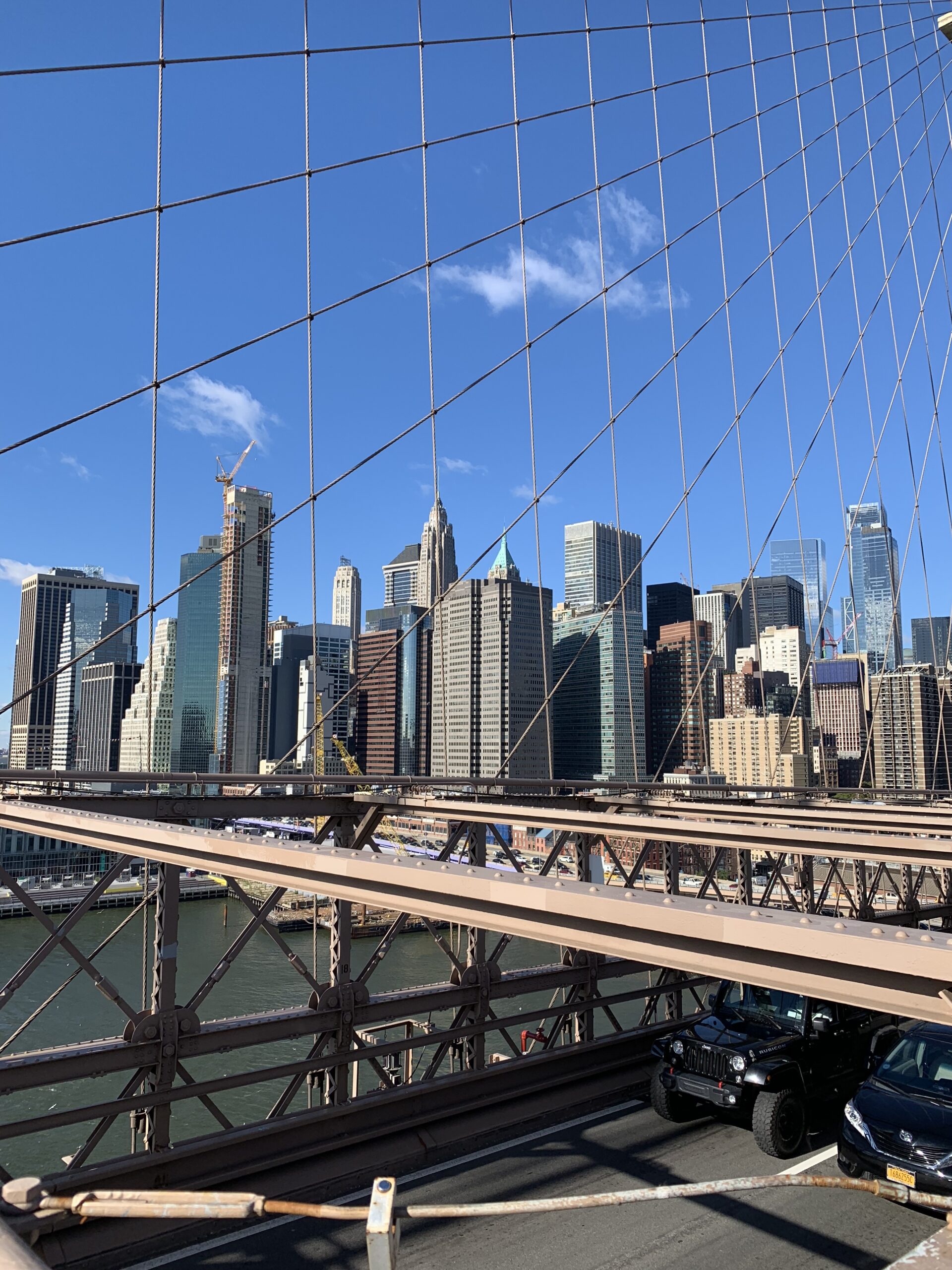 NYC. (Photo: HG)
Retrofitting NYC
New York City has been working on various green retrofitting initiatives to comply with Local Law 97, which sets ambitious carbon emissions caps for the city’s largest buildings starting in 2024. The legislation affects approximately 50,000 buildings and is expected to result in thousands of retrofits each year.
Local Law 97 of 2019 is one of the most ambitious climate laws in the United States. It aims to significantly reduce greenhouse gas emissions from New York City’s largest buildings, which account for about two-thirds of the city’s emissions. Local Law 97 applies to buildings larger than 25,000 square feet and requires them to meet new greenhouse gas emissions limits starting in 2024. The law aims to reduce emissions by 40% by 2030 and achieve net-zero emissions by 2050. To comply with the law, buildings must either reduce their emissions or purchase renewable energy credits or carbon offsets. Additionally, the law includes provisions for funding opportunities and resources to assist building owners in achieving compliance.
We can cite the case of the Empire State Building which underwent a massive renovation. The restoration, which began in June 2019, aimed to return the iconic landmark to its original Art Deco silhouette, restoring the 1930s Art Deco luster on the building’s spire, removing obsolete antennas and equipment, and power washing and coating the fins in silver waterproof paint. Additionally, the Empire State Building underwent a green retrofit completed in 2010, which included upgrading the chiller plant, adding an additional pane of coated film to its windows, installing insulation behind radiators, and upgrading the elevator system with regenerative braking. These upgrades have significantly reduced the building’s energy usage by about 40% and saved its owners over $4 million annually.
Carl Elefante’s definition, “The greenest building…is the one that is already built.”
While I do agree with Elefante’s definition on the greenest building, I also see cities as a blend of both “old” and “new” elements. Most cities around the world have significant architectural heritage, but in many cases these types of buildings have become dilapidated due to a lack of maintenance in the lifestyle, outdated infrastructure, and a lack of sufficient professional perspective, and funding. The final decision regarding building intervention must be thoroughly analyzed. Retrofitting an existing building can result in 50-70% less carbon than constructing the same building from scratch, it means significant energy savings, and greenhouse gas reduction.
Sustainable building strategies can also be applied to new projects, serving as examples of innovative solutions adapted to existing contexts. Integrating cross-disciplinary expertise in the fields of material life-cycle analysis, energy efficiency, urban transformation and limiting the exposure of buildings to solar radiation. As well as Building Information Modelling (BIM) methodology, and parametric design can be applied to cross-reference environmental data with project design to optimize the result.
In the 21st century, buildings and urban development face many challenges, including affordable housing due to rapid population growth, infrastructure modernization, and technological advancements. To address these issues, flexibility, knowledge, and education are imperative, aligning with the principles of sustainable development.
Resources
https://carlelefante.com/insights/the-greenest-building-is/
Retrofitting to scale: 50,000 buildings in 10 years – Urban Green Council
Empire State Building Spire Restoration Nears Completion in Midtown – New York YIMBY
The Empire State Building’s Green Retrofit Was a Big Success | TIME